
Let’s consider a hypothetical scenario to illustrate the calculation of accrued payroll. All the due payroll items will add up in the accrued payroll general ledger. To understand the example of an accrual basis, consider a transaction of credit sale. Mr. George purchased a convection oven from Mr. Robert and promised to pay the amount in 15 days from the date of purchase.
Next, find the net pay for each employee by subtracting the total deductions from the gross pay. Also, remember that your accounting period might not be in sync with the pay period. So, as you near the end of the accounting period, calculate the accrued payroll by figuring out the wages payable. If the accounting period ends in the middle of a pay period, prorate the gross pay based on the number of days worked. The largest source of accrued payroll is likely to come from salary and wages payable to employees. These are wages that are owed for the labor performed by your employees and are accounted as a liability until payday, when they become an expense.
Accrued payroll example
Keeping up with a journal entry for every employee can be challenging, which is why many employers have begun opting for automated payroll management solutions. Even if payments have not been released to the employee yet, tracking payroll accrual ensures that all of the money has been accounted for. Payroll accrual is simply a way to adjust those wage expenses to improve the accuracy of your payroll records. Tracking accrued payroll is a valuable tool for a business to compare their income to their expenses for a given period of time. Once the employees are paid on the following Friday, the company would reverse the accrued payroll entry by debiting the accrued payroll liability account and crediting cash.
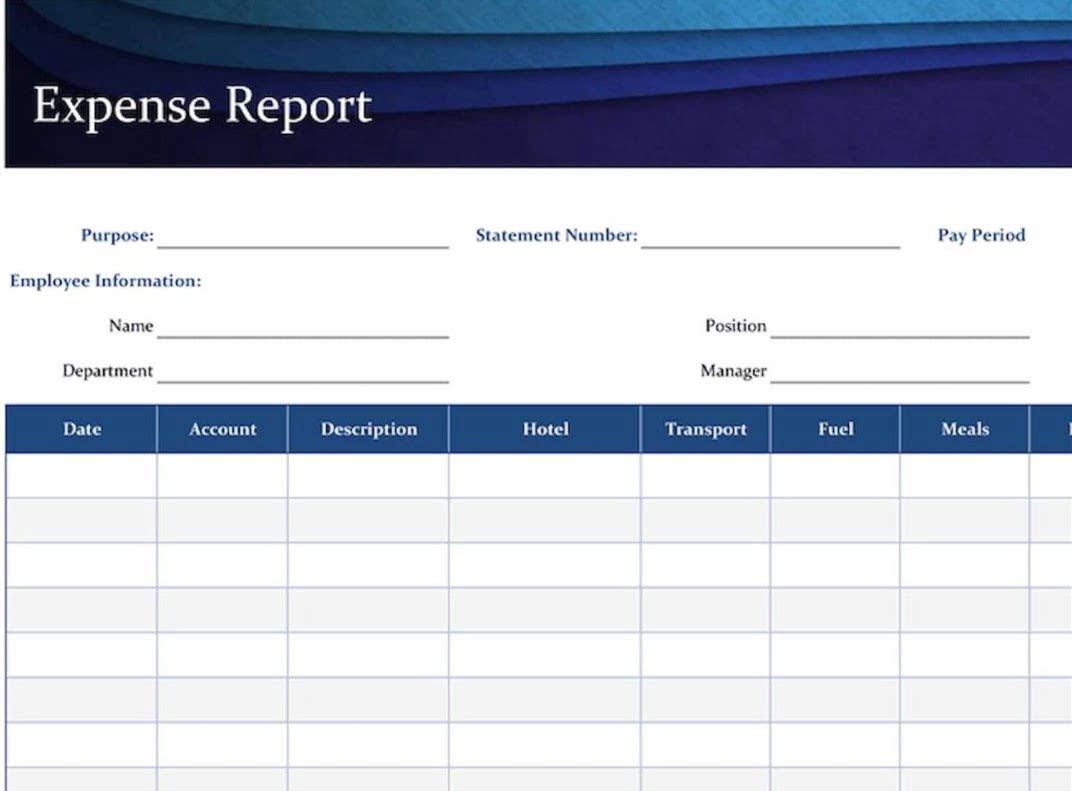
It is important to remember that all accrual entries need to be reversed in the following period, when the employees actually receive their payments. If you don’t reverse the payroll accrual records, you will end up counting those wages in both pay periods and this will lead to bookkeeping and payroll errors. If your business uses a cloud based system, you will be able to set your initial entry to be automatically reversed when the period changes. This will ensure your accounting entries reflect only the wages and liabilities applicable to your current pay period. It refers to the process of recognizing and recording the expenses related to employee compensation that have been earned but not yet paid. This method takes into account various payroll liabilities, including taxes such as the Federal Insurance Contributions Act (FICA) taxes.
Primary Payroll Journal Entry
In addition, if you include a retirement contribution matching program for employees’ 401(k) accounts, then the amount that you contribute will be included during this step in the calculation too. Be sure to differentiate between employee contributions to Federal Insurance Contributions Act (FICA) taxes and employer contributions to FICA taxes. The latter will be a portion of your accrued payroll; the former was already accounted for in gross pay. This means that the hourly-paid employees were last paid on Friday, June 27 for the hours they worked through Saturday, June 21. Therefore, as of June 30 the company owes its hourly-paid employees for the amounts they earned between June 22 and June 30. Record the amount of accrued payroll as a liability in your financial statements and adjust the payroll expense account accordingly.
- You may wonder why it’s important to account for paid time off in accrued payroll.
- In the bustling marketplaces of our global economy, the lifeblood of any business lies in its ability to accurately manage financials.
- These additional pay elements need to be added to the employee’s gross wages.
- In order to calculate accrued payroll, payroll expenses are determined in advance, which includes the calculation of salaries, wages, taxes and more.
- The salaries and wages also include the fringe benefits and perquisites value provided to the accrued payroll.
- At the end of a fiscal period a business records entries to see the full picture of expenses which had been incurred, but not paid for yet.
Managing payroll accruals often leads to issues with under/overpayments, misclassification of employees, deadlines and important dates, record keeping, and confidentiality/privacy concerns. Finally, subtract any post-tax deductions from the remaining amount to arrive at the net pay, which is the amount the employee will receive after all deductions and taxes have been taken out. This process is akin to a ship’s captain calculating the distance travelled, considering the wind and currents, and adjusting the route to reach the destination.
Leave a Reply